Reducing plastic use
Welcome to the TrashTalkers' tips & guides page, your go-to resource for actionable advice on reducing plastic consumption. We're here to guide you through practical changes that make a real difference for our planet. Let's aim for better alternatives together.

Thinking ahead
The single most impactful change you can make is learning to think ahead before using plastic and aiming for a better alternative. Every small choice adds up to significant environmental benefits. Start making informed decisions today.

Top practical tips
Here are our top 3 practical and easy-to-implement tips: use a reusable water bottle, reuse plastic store bags, and choose cardboard alternatives more practically than plastic. These steps can significantly reduce your plastic footprint.
The risk to animals
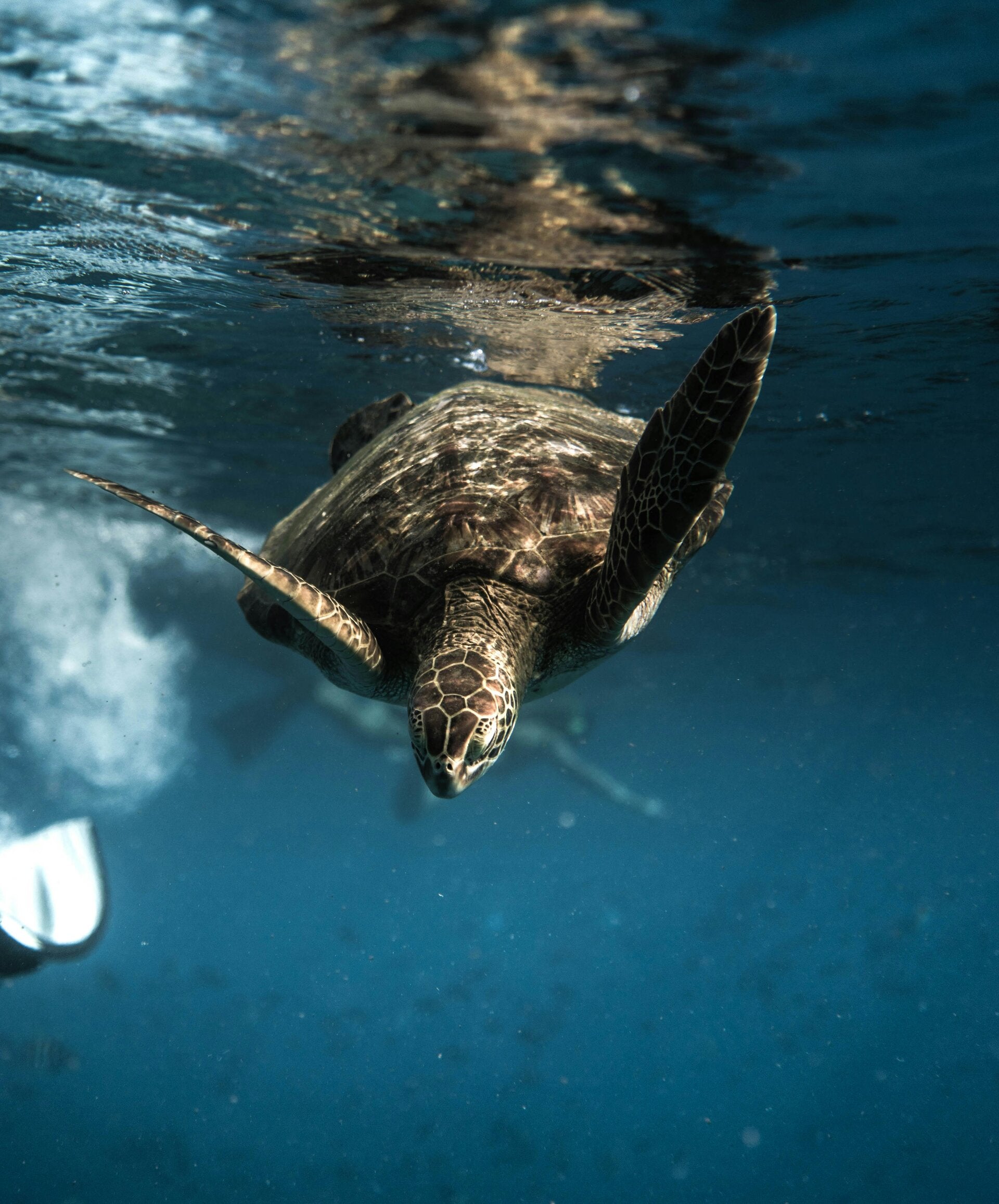
Did you know that animals often consume plastic objects? The chance that a plastic object will be consumed by an animal is a significant concern. Marine mammals, seabirds, and turtles are at high risk. Entanglement can lead to drowning, starvation, infection, and death. Plastic ingestion is a widespread problem affecting animals from microscopic plankton to large whales.
Moreover, plastic can leach harmful chemicals, such as endocrine disruptors, into the animal’s tissues. Plankton and Small Fish: These organisms consume microplastics, tiny plastic particles resulting from the breakdown of larger plastic items, which then accumulate up the food chain. Fish: Larger fish consume plastic particles directly or by preying on smaller fish that have ingested plastic, leading to bioaccumulation of toxins. Birds: Seabirds often feed plastic to their chicks, mistaking it for food. This can cause stunted growth, weakened immune systems, and increased mortality. Plastic pollution can also directly damage animal habitats, impacting their ability to thrive. Accumulation of plastic on beaches and shorelines can smother nesting sites for sea turtles and seabirds. In aquatic environments, plastic debris can alter sediment composition and reduce oxygen levels, creating inhospitable conditions for many species. Plastics can absorb pollutants from the surrounding environment, such as persistent organic pollutants (POPs), and then release these toxins into the animal’s tissues upon ingestion. The process of bioaccumulation concentrates these toxins as they move up the food chain, posing a significant threat to top predators including humans. (from the national wildlife association)
Create Your Own Website With Webador